Lightweight Kayak Paddle & Gear Guide
Embarking on a kayaking adventure requires the right equipment, and for those prioritizing portability and ease of use, lightweight gear is essential. This comprehensive guide explores the world of lightweight kayaks, paddles, and accessories, helping you make informed decisions for an enjoyable and efficient paddling experience.
Understanding the Importance of Lightweight Kayak Gear
Choosing lightweight gear can significantly enhance your kayaking experience. Here’s why:
- Portability: Lightweight kayaks and paddles are easier to transport, especially for solo adventurers.
- Maneuverability: Lighter equipment improves your control and responsiveness in the water.
- Reduced Fatigue: Less weight means less strain on your body, allowing for longer and more comfortable paddling sessions.
Investing in quality lightweight gear translates to a more enjoyable and less strenuous time on the water.
Selecting the Right Lightweight Kayak
The market offers a variety of lightweight kayaks, each with its unique features. Consider these factors when choosing a kayak:
Types of Lightweight Kayaks
Several types of kayaks are designed for lightweight performance:
- Inflatable Kayaks: Highly portable and easy to store, inflatable kayaks are a popular choice for casual paddlers.
- Folding Kayaks: Combining portability with rigid performance, folding kayaks offer a balance of convenience and stability.
- Lightweight Hardshell Kayaks: Constructed from materials like carbon fiber or lightweight plastics, these kayaks provide excellent performance without the added weight.
Key Features to Consider
When selecting a lightweight kayak, focus on these essential features:
- Weight Capacity: Ensure the kayak can support your weight plus any gear you plan to carry.
- Stability: Look for a design that offers good stability, especially if you’re a beginner.
- Material: Consider the durability and weight of the kayak’s construction material.
- Length and Width: These dimensions affect the kayak’s speed and maneuverability.
Choosing the Perfect Lightweight Kayak Paddle
The right paddle can make a significant difference in your paddling efficiency and comfort. Here’s what to look for in a lightweight kayak paddle:
Paddle Materials
The material of the paddle blade and shaft influences its weight and performance:
- Carbon Fiber: Offers the best strength-to-weight ratio, making it ideal for serious paddlers.
- Fiberglass: A good compromise between weight and cost, providing excellent durability and performance.
- Aluminum: A budget-friendly option, but heavier than carbon fiber or fiberglass.
- Plastic: Durable and inexpensive, but typically the heaviest option.
Paddle Shape and Size
Consider these factors when choosing a paddle shape and size:
- Blade Shape: Asymmetrical blades are more efficient for long-distance paddling, while symmetrical blades are better for recreational use.
- Paddle Length: Your height and the width of your kayak will determine the appropriate paddle length.
- Feather Angle: The angle between the blades affects wind resistance and paddling efficiency.
Choosing the correct paddle will minimize strain and maximize your efficiency on the water.
Essential Lightweight Kayak Accessories
Enhance your kayaking experience with these must-have accessories:
PFDs (Personal Flotation Devices)
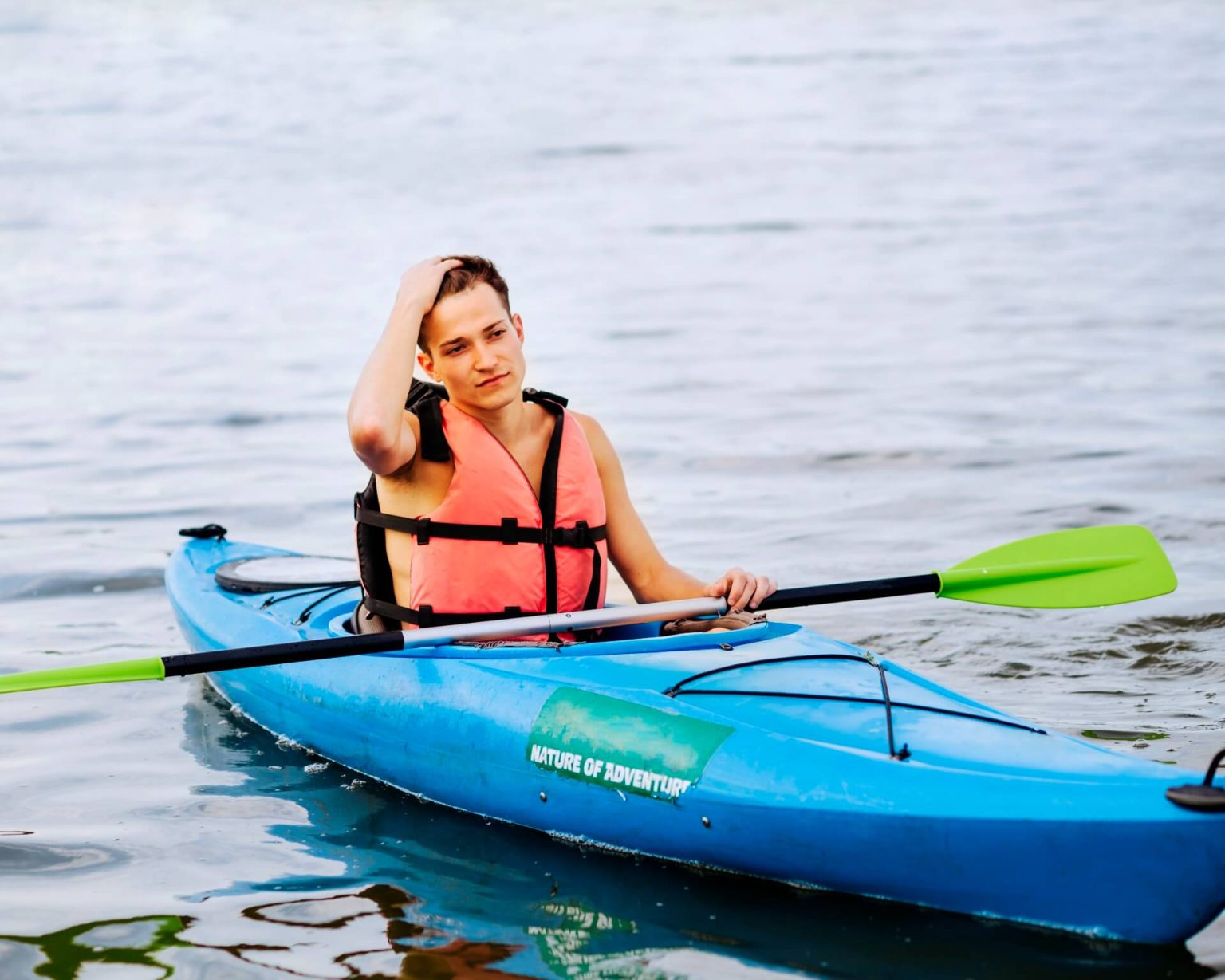
Safety should always be a top priority. A comfortable and properly fitted PFD is essential for all kayakers.
Dry Bags
Protect your valuables from water damage with waterproof dry bags. Choose different sizes for various items.
Kayak Cart
Make transporting your kayak easier with a lightweight kayak cart. Look for one that is easy to assemble and disassemble.
Kayak Seat
A comfortable kayak seat is crucial for long paddling sessions. Consider adding a padded seat or backrest for extra support.
Bilge Pump
Remove excess water from your kayak quickly and efficiently with a manual or electric bilge pump.
Tips for Maintaining Your Lightweight Kayak Gear
Proper maintenance will extend the lifespan of your gear:
- Rinse with Fresh Water: After each use, rinse your kayak and paddle with fresh water to remove salt and debris.
- Store Properly: Store your kayak in a cool, dry place away from direct sunlight.
- Inspect Regularly: Check for any signs of wear and tear, such as cracks or punctures.
- Use UV Protectant: Apply a UV protectant to prevent fading and damage from the sun.
Conclusion
Investing in lightweight kayak paddles and gear enhances the enjoyment and efficiency of kayaking. Choosing the right kayak, paddle, and accessories will ensure that your time on the water is safe, comfortable, and memorable. Consider your needs and preferences, research your options, and embrace the adventure.
Happy paddling, and remember to share your experiences in the comments below!