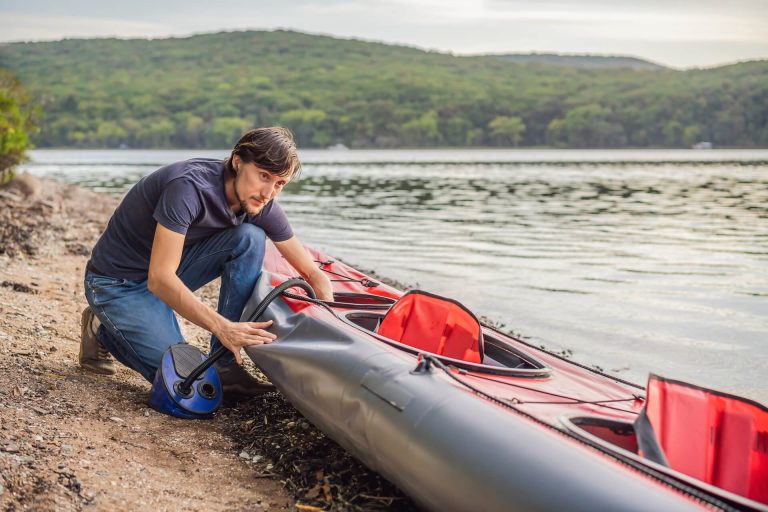
Adventure Awaits: Your Guide to Choosing and Using a Kayak
Ready to dive into the world of kayaking? This guide simplifies kayak selection and usage, ensuring every adventure is safe and memorable. Whether you’re a complete beginner or looking to refine your kayaking skills, we’ll cover essential kayak buying tips and kayak maintenance.
Understanding Kayak Selection: Finding the Right Fit
Choosing the right kayak is crucial for an enjoyable and safe kayaking experience. Several factors come into play, including your skill level, the type of water you’ll be paddling in, and your budget. Let’s break down the key considerations for kayak selection.
Types of Kayaks: Recreational, Touring, and Whitewater
Kayaks come in various shapes and sizes, each designed for specific purposes:
- Recreational Kayaks: These are ideal for beginners and casual paddlers who enjoy calm waters like lakes and slow-moving rivers. They’re typically shorter and wider, offering excellent stability.
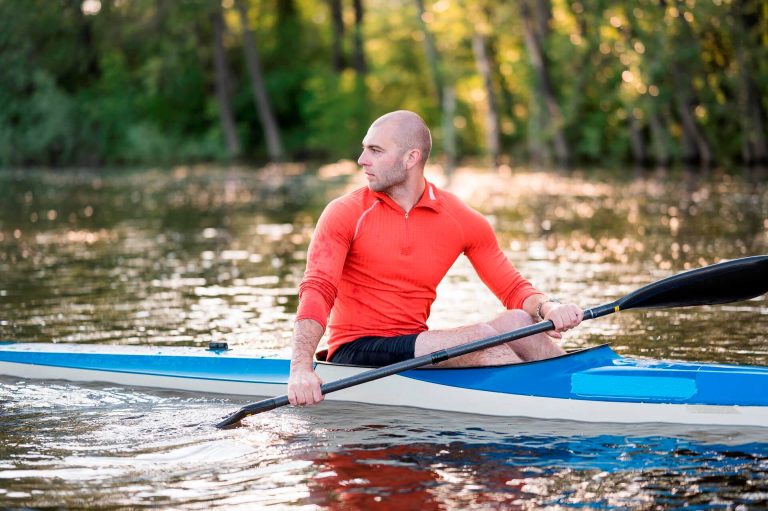
- Touring Kayaks: Also known as sea kayaks, these are longer and narrower, designed for covering longer distances in open water. They’re more efficient and handle choppy conditions better.
- Whitewater Kayaks: These are short, maneuverable kayaks designed for navigating rapids and fast-flowing rivers. They require advanced skills and are not suitable for beginners.
Sit-on-Top vs. Sit-Inside Kayaks
Another important distinction is whether the kayak is a sit-on-top or sit-inside model:
- Sit-on-Top Kayaks: These kayaks are easy to get in and out of, making them popular for recreational use and warm-weather paddling. They’re self-bailing, meaning water drains out automatically.
- Sit-Inside Kayaks: These kayaks provide more protection from the elements and are better suited for colder water and longer trips. They typically have a spray skirt to keep water out of the cockpit.
Key Features to Consider Before Kayak Buying
Before making a purchase, consider these features:
- Length and Width: Longer kayaks are faster and track straighter, while wider kayaks are more stable.
- Weight Capacity: Ensure the kayak can handle your weight plus any gear you plan to bring.
- Material: Kayaks are typically made of plastic, fiberglass, or composite materials. Plastic is the most affordable and durable, while fiberglass and composite materials are lighter and offer better performance.
- Comfort: Look for a kayak with a comfortable seat and adjustable footrests.
Mastering Kayak Usage: Essential Techniques and Safety
Once you’ve chosen your kayak, it’s time to learn how to use it properly. Mastering basic paddling techniques and understanding safety precautions are essential for a safe and enjoyable kayaking experience.
Basic Paddling Techniques for Beginner Kayaking
Here are a few fundamental paddling techniques:
- Forward Stroke: This is the most basic stroke, used to propel the kayak forward. Plant the paddle blade fully in the water near your feet and pull it back towards your hip, rotating your torso for power.
- Reverse Stroke: Used to stop or move the kayak backward. Plant the paddle blade near your hip and push it forward towards your feet.
- Sweep Stroke: Used to turn the kayak. For a forward sweep stroke, plant the paddle blade near your feet and sweep it out and around the kayak. For a reverse sweep stroke, plant the paddle blade near your hip and sweep it in towards the kayak.
Essential Safety Precautions
Safety should always be your top priority. Here are some essential safety precautions:
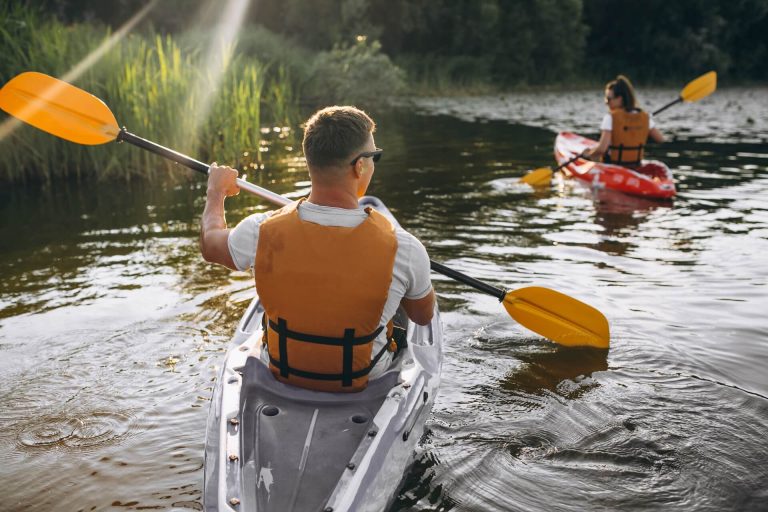
- Wear a Personal Flotation Device (PFD): Always wear a PFD that fits properly.
- Check the Weather: Be aware of the weather forecast and avoid kayaking in dangerous conditions like strong winds, thunderstorms, or fog.
- Paddle with a Buddy: It’s always safer to kayak with a friend or group.
- Tell Someone Your Plans: Let someone know where you’re going and when you expect to be back.
- Carry Safety Gear: Bring essential safety gear like a whistle, a first-aid kit, and a waterproof flashlight.
Tips for Beginner Kayaking
For beginners, it’s helpful to start in calm, shallow water. Practice basic paddling techniques and get comfortable with the kayak before venturing into more challenging conditions. Consider taking a kayaking lesson from a certified instructor.
Kayak Maintenance: Keeping Your Kayak in Top Condition
Proper kayak maintenance is crucial for prolonging the life of your kayak and ensuring its performance. Regular cleaning and inspections can prevent damage and keep your kayak in top condition.
Cleaning Your Kayak
After each use, rinse your kayak with fresh water to remove salt, sand, and debris. Use a mild soap and water solution for a more thorough cleaning. Avoid using harsh chemicals or abrasive cleaners.
Inspecting Your Kayak
Regularly inspect your kayak for cracks, dents, and other damage. Pay close attention to the hull, seams, and fittings. Repair any damage promptly to prevent it from worsening.
Storing Your Kayak
Store your kayak in a cool, dry place away from direct sunlight. If storing it outdoors, cover it with a tarp to protect it from the elements. Store it upside down or on its side to prevent water from collecting inside.
By following these kayak buying tips, mastering basic kayak usage, and practicing regular kayak maintenance, you can ensure a safe, enjoyable, and memorable kayaking experience. So, grab your paddle, hit the water, and let the adventure begin!
Ready to start your kayaking journey? Share your questions and experiences in the comments below!