Essential Kayak Tips: Buy, Paddle, & Safety
Ready to dive into the world of kayaking but feeling overwhelmed? This guide covers everything from selecting the perfect kayak to mastering essential paddling techniques and staying safe on the water. Whether you’re a complete beginner or looking to refine your skills, you’ll find valuable insights here to make your kayaking adventures unforgettable.
Choosing the Right Kayak: A Kayak Buying Guide
Selecting the perfect kayak is the first step toward enjoying your time on the water. But with so many options available, it can feel like a daunting task. Let’s break down the key considerations.
Types of Kayaks
Different kayaks are designed for different purposes. Here are some of the most common types:
- Recreational Kayaks: Ideal for calm waters like lakes and slow-moving rivers. They are stable and easy to handle, making them perfect for beginners.
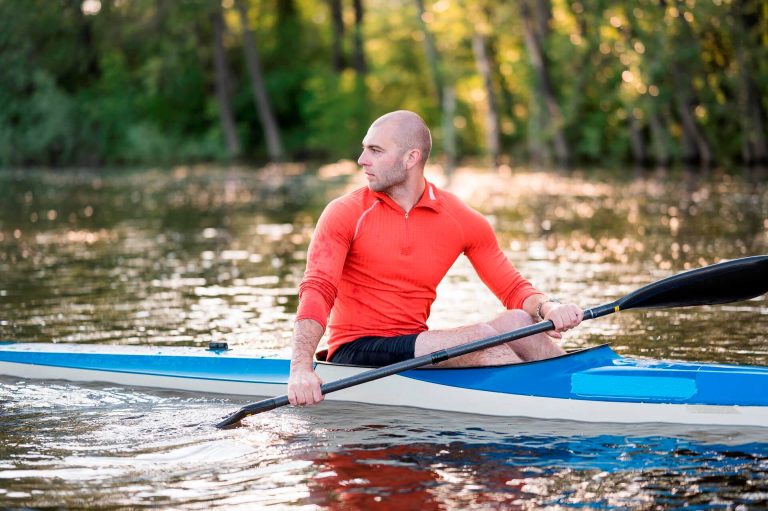
- Touring Kayaks: Designed for longer trips and rougher waters. They are longer and narrower than recreational kayaks, offering better speed and tracking.
- Sit-on-Top Kayaks: Great for warm weather and easy entry/exit. They are self-bailing, making them suitable for ocean kayaking and fishing.
- Whitewater Kayaks: Built for navigating fast-flowing rivers and rapids. They are shorter and more maneuverable than other types of kayaks.
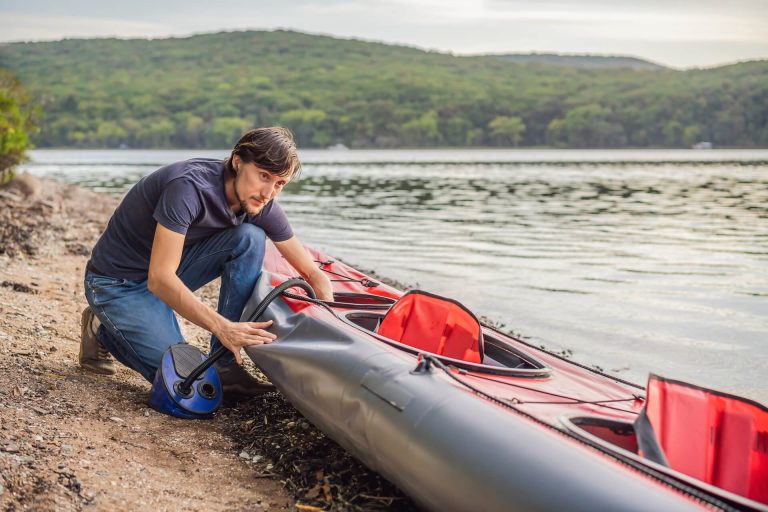
- Inflatable Kayaks: Portable and easy to store. They are a good option for those with limited storage space or who want to travel with their kayak.
Key Features to Consider
Once you’ve decided on the type of kayak, consider these features:
- Size and Weight Capacity: Ensure the kayak is appropriately sized for your height and weight. Check the weight capacity to avoid overloading it.
- Material: Kayaks are typically made from plastic, fiberglass, or composite materials. Plastic kayaks are durable and affordable, while fiberglass and composite kayaks are lighter and offer better performance.
- Comfort: Look for a kayak with a comfortable seat, adjustable footrests, and good back support.
- Storage: Consider the amount of storage space you need for gear and supplies.
- Price: Set a budget and compare prices from different retailers.
Mastering Kayak Paddling Techniques
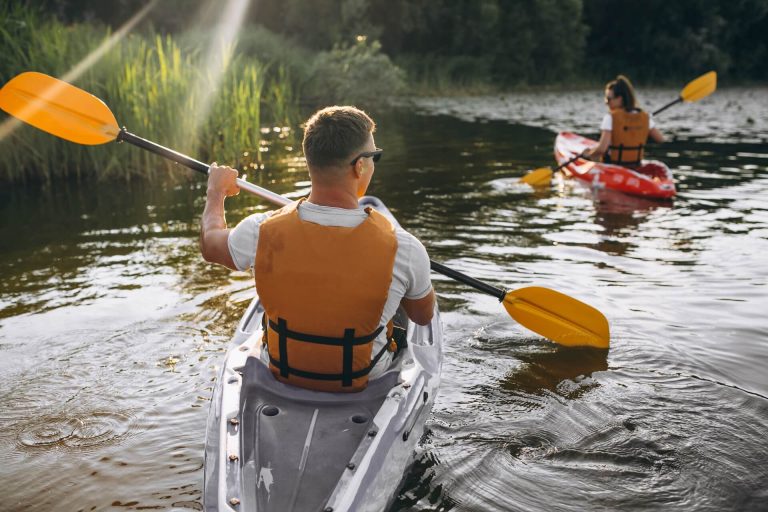
Proper paddling technique is crucial for efficient and enjoyable kayaking. Here are some essential techniques to master:
The Forward Stroke
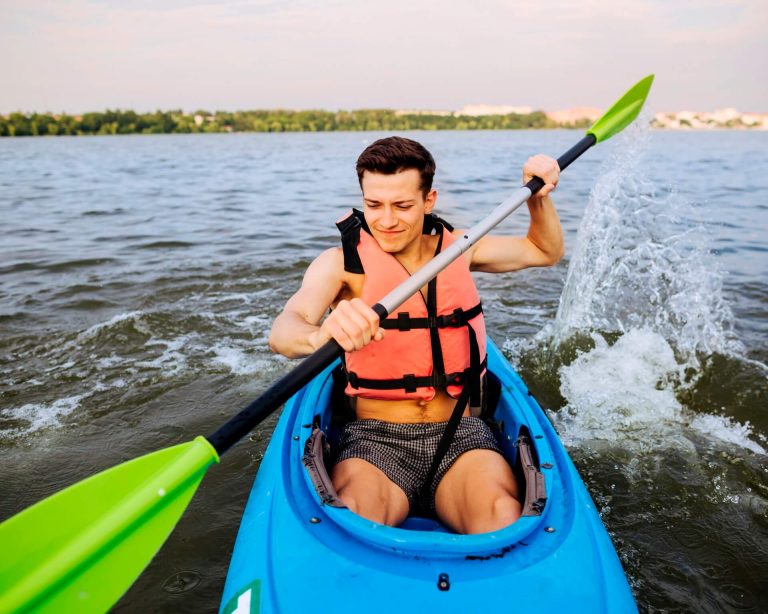
The forward stroke is the most basic and essential paddling technique. Here’s how to do it correctly:
- Reach forward with your paddle, planting the blade in the water near your toes.
- Pull the blade back along the side of the kayak, rotating your torso as you go.
- Remove the blade from the water near your hip.
- Repeat on the opposite side.
Focus on using your torso muscles for power, rather than just your arms.
The Reverse Stroke
The reverse stroke is used for stopping, slowing down, and maneuvering backwards. Here’s how to perform it:
- Plant the blade in the water near your hip.
- Push the blade forward along the side of the kayak, rotating your torso as you go.
- Remove the blade from the water near your toes.
- Repeat on the opposite side.
The Sweep Stroke
The sweep stroke is used for turning the kayak. Here’s how to do it:
- For a forward sweep stroke, reach forward with the paddle and sweep it in a wide arc away from the kayak.
- For a reverse sweep stroke, reach back with the paddle and sweep it in a wide arc away from the kayak.
The wider the arc, the sharper the turn.
Kayak Safety Tips: Ensuring a Safe Paddle
Safety should always be your top priority when kayaking. Here are some essential kayak safety tips:
Wear a Personal Floatation Device (PFD)
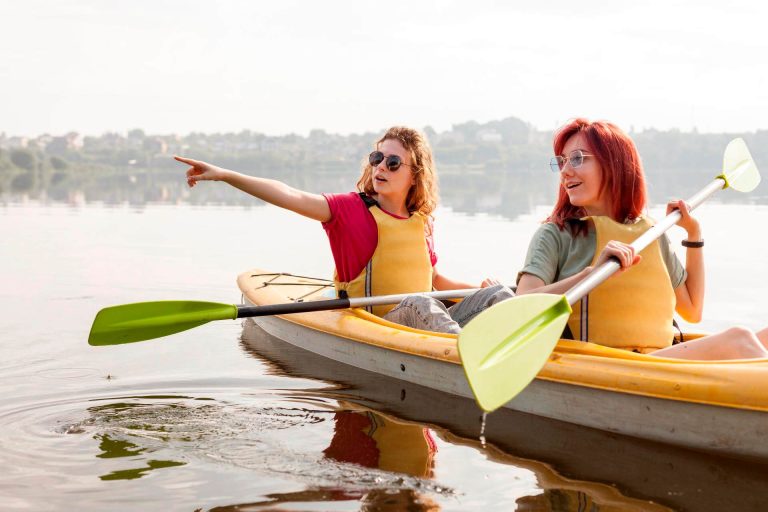
Always wear a properly fitted PFD, also known as a life jacket. It could save your life in an emergency.
Check the Weather Forecast
Before heading out, check the weather forecast for wind, rain, and temperature. Avoid kayaking in adverse weather conditions.
Tell Someone Your Plans
Inform someone of your kayaking plans, including your route and expected return time. This way, they can alert authorities if you don’t return as scheduled.
Bring Essential Gear
Carry essential gear such as a whistle, a first-aid kit, a map and compass, a waterproof flashlight, and a repair kit.
Be Aware of Your Surroundings
Pay attention to your surroundings, including boat traffic, currents, and obstacles. Avoid kayaking in areas with strong currents or dangerous obstacles.
Practice Self-Rescue Techniques
Learn how to self-rescue in case you capsize. Practice getting back into your kayak in shallow water before venturing out into deeper water.
Kayaking is a fantastic way to enjoy the outdoors and get some exercise. By choosing the right kayak, mastering essential paddling techniques, and following safety guidelines, you can have unforgettable water adventures. So grab your paddle, hit the water, and start exploring!