Lightweight Kayak Performance: Tips & Techniques
Unlock the secrets to effortless kayaking! Discover how lightweight kayaks and smart techniques can revolutionize your performance on the water. Learn to maximize your potential on the water while minimizing strain and fatigue with our comprehensive guide.
Understanding the Benefits of a Lightweight Kayak
Choosing a lightweight kayak is the first step towards enhancing your kayaking experience. But what exactly are the benefits? Let’s dive in:
- Easier Portaging: Lightweight kayaks are significantly easier to carry over land, whether you’re navigating portages on a multi-day trip or simply carrying your kayak from your car to the water’s edge.
- Improved Maneuverability: The reduced weight translates to improved responsiveness in the water, allowing for quicker turns and more precise control.
- Reduced Fatigue: Paddling a lighter kayak requires less effort, which means you can paddle for longer periods without experiencing as much fatigue.
- Enhanced Performance: With less weight to propel, you can achieve higher speeds and maintain them more easily.
Key Considerations When Choosing a Lightweight Kayak
Not all lightweight kayaks are created equal. Here are some essential factors to consider when making your selection:
- Material: Common materials include fiberglass, carbon fiber, and polyethylene. Carbon fiber offers the best strength-to-weight ratio but is also the most expensive. Fiberglass is a good compromise, while polyethylene is the most affordable but also the heaviest.
- Hull Design: The hull design affects stability, speed, and maneuverability. Consider your paddling style and the types of water you’ll be paddling in when choosing a hull design.
- Size and Weight Capacity: Choose a kayak that is appropriately sized for your body and the gear you plan to carry.
- Features: Look for features that will enhance your kayaking experience, such as comfortable seating, adjustable footrests, and ample storage space.
Essential Kayak Techniques for Efficient Paddling
Even with a lightweight kayak, proper paddling technique is crucial for maximizing performance and minimizing effort. Here are some techniques to master:
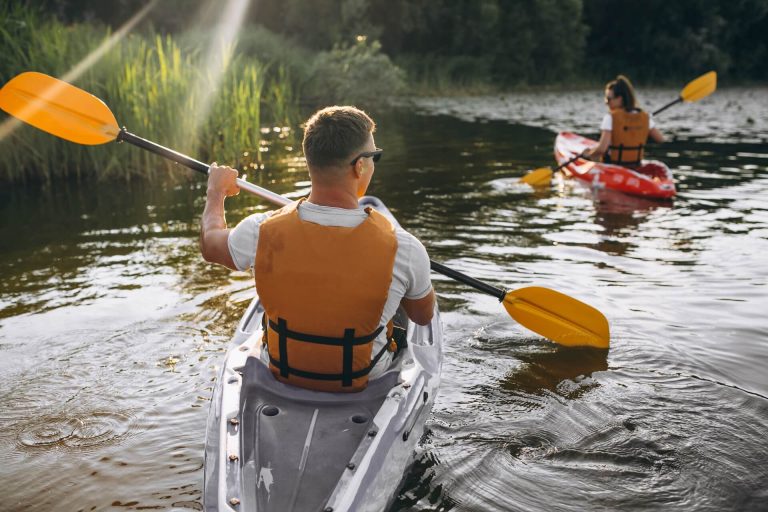
- Proper Paddle Grip: Hold the paddle loosely, allowing your fingers to do most of the work. Avoid gripping too tightly, which can lead to fatigue.
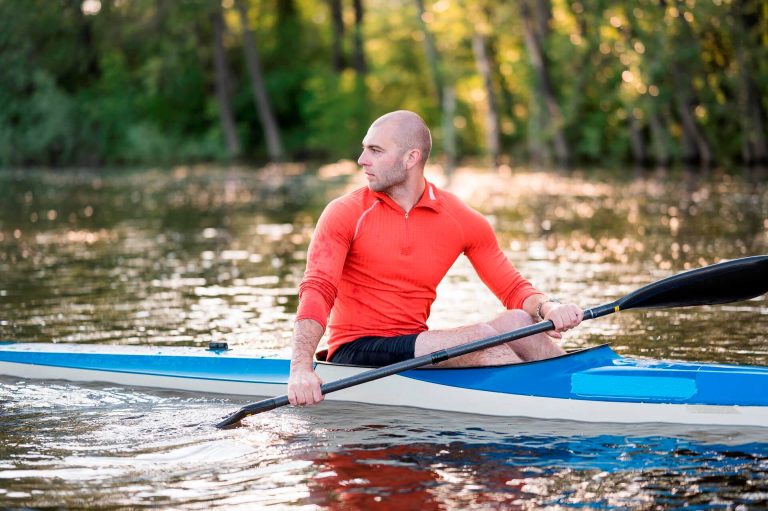
- Torso Rotation: Engage your core muscles and rotate your torso with each stroke. This generates more power and reduces strain on your arms and shoulders.
- Efficient Stroke Technique: Use a long, smooth stroke, reaching forward with your paddle and pulling it through the water close to the hull. Avoid lifting the paddle too high out of the water.
- Consistent Cadence: Maintain a consistent paddling cadence to maintain momentum and conserve energy.
Optimizing Your Kayak Setup for Ergonomics and Comfort
A properly adjusted kayak can make a world of difference in terms of comfort and efficiency. Here’s how to optimize your setup:
- Seat Adjustment: Adjust your seat so that your hips are slightly higher than your knees. This will improve your posture and reduce back strain.
- Footrest Adjustment: Adjust your footrests so that your knees are slightly bent. This will provide a stable base and allow you to engage your leg muscles in your paddling stroke.
- Paddle Length: Choose a paddle length that is appropriate for your height and kayak width. A paddle that is too long or too short can lead to inefficient paddling and fatigue.
Tips for Maintaining Your Lightweight Kayak
Proper maintenance will extend the lifespan of your lightweight kayak and ensure that it performs optimally. Here are some essential maintenance tips:
- Rinse After Each Use: Rinse your kayak with fresh water after each use to remove salt, sand, and other debris.
- Store Properly: Store your kayak in a cool, dry place away from direct sunlight. Use a kayak cover to protect it from the elements.
- Inspect Regularly: Inspect your kayak regularly for any signs of damage, such as cracks, dents, or scratches. Repair any damage promptly to prevent it from worsening.
- Protect from UV Rays: UV rays can degrade the material of your kayak over time. Use a UV protectant spray to help prevent damage.
Conclusion: Unleash Your Kayaking Potential
By choosing a lightweight kayak, mastering efficient paddling techniques, and optimizing your kayak setup, you can unlock your full kayaking potential. Enjoy longer, more comfortable, and more rewarding kayaking adventures. So, get out on the water and experience the difference a lightweight kayak can make!