The Art of Kayak Selection: Tips for Optimal Performance and Ease
Embark on your kayaking journey with confidence! Choosing the right kayak can be the difference between a thrilling adventure and a frustrating experience. This guide unveils the secrets to selecting the perfect kayak, ensuring optimal performance and effortless handling on the water. Dive in and discover the art of kayak selection!
Understanding Your Kayaking Needs
Before diving into the specifics of kayak types and features, it’s crucial to understand your personal kayaking needs. Consider these factors:
- Intended Use: Will you be kayaking in calm lakes, fast-moving rivers, or open ocean?
- Skill Level: Are you a beginner, intermediate, or advanced kayaker?
- Budget: How much are you willing to spend on a kayak?
- Storage and Transportation: Do you have enough space to store a kayak, and can you transport it easily?
Answering these questions will help you narrow down your options and choose a kayak that suits your specific requirements.
Types of Kayaks: Finding the Perfect Fit
Kayaks come in various types, each designed for specific purposes. Here are some of the most common types:
- Sit-on-Top Kayaks: Ideal for recreational paddling, fishing, and warm weather conditions. They are easy to get in and out of and are self-bailing.
- Sit-Inside Kayaks: Suitable for touring, sea kayaking, and cold weather conditions. They offer more protection from the elements and better performance.
- Inflatable Kayaks: Portable and easy to store, making them great for travel and occasional use.
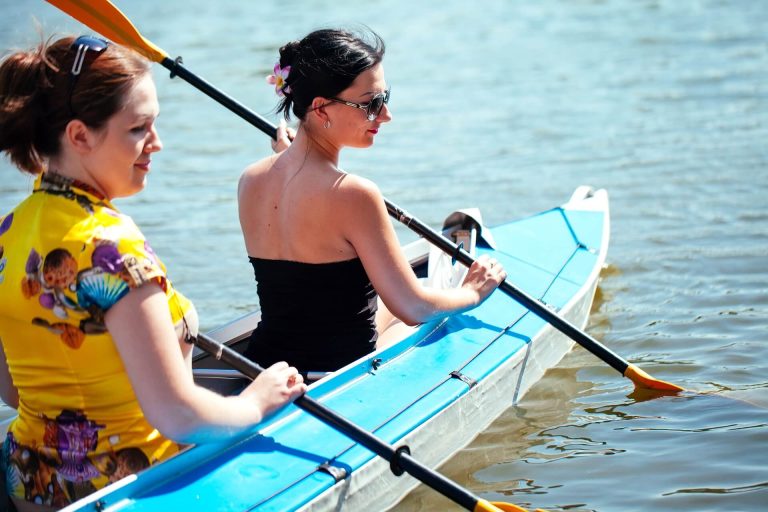
- Tandem Kayaks: Designed for two paddlers, perfect for couples or friends who want to kayak together.
- Fishing Kayaks: Equipped with features like rod holders, storage compartments, and stable platforms for fishing.
Key Features to Consider When Choosing a Kayak
Once you’ve determined the type of kayak you need, consider these key features:
- Length: Longer kayaks are faster and track better, while shorter kayaks are more maneuverable.
- Width: Wider kayaks are more stable, while narrower kayaks are faster and more efficient.
- Weight: Lighter kayaks are easier to carry and transport, especially important when considering a lightweight kayak.
- Material: Kayaks are made from various materials, including polyethylene, composite, and inflatable materials. Each has its own advantages and disadvantages in terms of durability, weight, and cost.
- Seat Comfort: A comfortable seat is essential for long paddling sessions. Look for adjustable seats with good back support.
- Storage: Consider the amount of storage space you need for gear and supplies.
Kayak Buying Guide: Step-by-Step
Here’s a step-by-step guide to help you through the kayak buying process:
- Research: Start by researching different kayak types, features, and brands. Read reviews and compare prices.
- Set a Budget: Determine how much you’re willing to spend on a kayak and stick to your budget.
- Try Before You Buy: If possible, test paddle different kayaks to see which one feels best.
- Consider Used Kayaks: Buying a used kayak can be a great way to save money, but be sure to inspect it carefully for damage.
- Accessorize: Don’t forget to budget for essential accessories like a paddle, personal flotation device (PFD), and spray skirt.
Kayak Performance Tips: Mastering the Paddle
Once you have your kayak, here are some tips to improve your paddling technique and overall performance:
- Proper Paddle Technique: Use your core muscles to generate power, not just your arms.
- Maintain Good Posture: Sit upright with your shoulders relaxed and your back straight.
- Learn to Brace: Bracing is a technique that helps you stay upright in rough water.
- Practice Rolling: Rolling is a technique that allows you to right yourself after capsizing.
- Take a Kayaking Class: Consider taking a kayaking class to learn proper techniques and safety procedures.
Best Kayak for Beginners: Simple, Stable, and Fun
For beginners, the best kayak is often a stable, easy-to-paddle sit-on-top kayak. These kayaks are forgiving and easy to handle, making them perfect for learning the basics. Look for models that offer good stability and comfortable seating.
Investing in a quality paddle and PFD is also crucial for ensuring a safe and enjoyable experience.
Lightweight Kayak Reviews: Exploring the Options
If portability is a priority, consider exploring lightweight kayaks. These kayaks are often made from inflatable materials or lightweight composites, making them easy to carry and transport. Be sure to read reviews and compare features before making a purchase. Look for models that offer a good balance of weight, durability, and performance.
Conclusion: Your Kayaking Adventure Awaits
Choosing the right kayak is essential for a safe and enjoyable kayaking experience. By considering your needs, researching different types of kayaks, and practicing proper paddling techniques, you can unlock the art of kayak selection and embark on countless adventures on the water. So, grab your paddle, find your perfect kayak, and get ready to explore!