From Shore to Stream: Your Guide to Choosing and Using a Kayak
Ready to embark on your kayaking adventures? Choosing the right kayak and mastering basic techniques are crucial for a safe and enjoyable experience. This guide breaks down everything you need to know, from selecting the perfect kayak to confidently navigating the water, making your transition from shore to stream seamless.
Understanding Kayak Types for Beginners
The first step in your kayaking journey is understanding the different types of kayaks available. Each type is designed for specific water conditions and skill levels. Choosing the right one will significantly impact your comfort and performance.
Sit-on-Top vs. Sit-Inside Kayaks
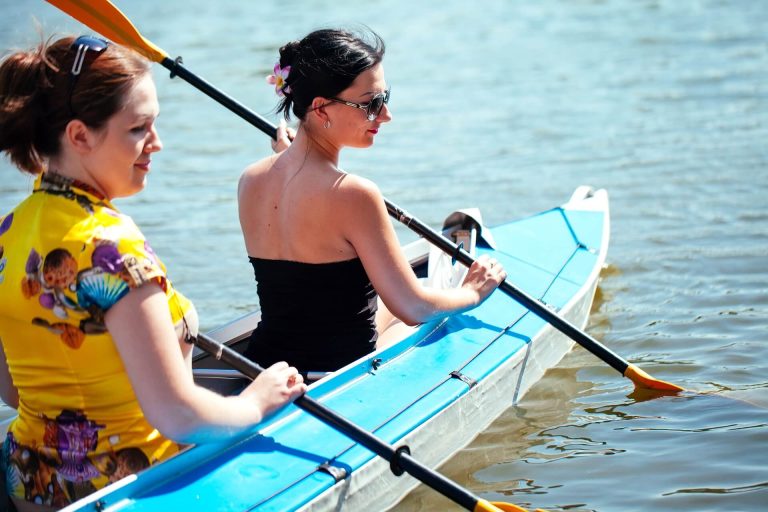
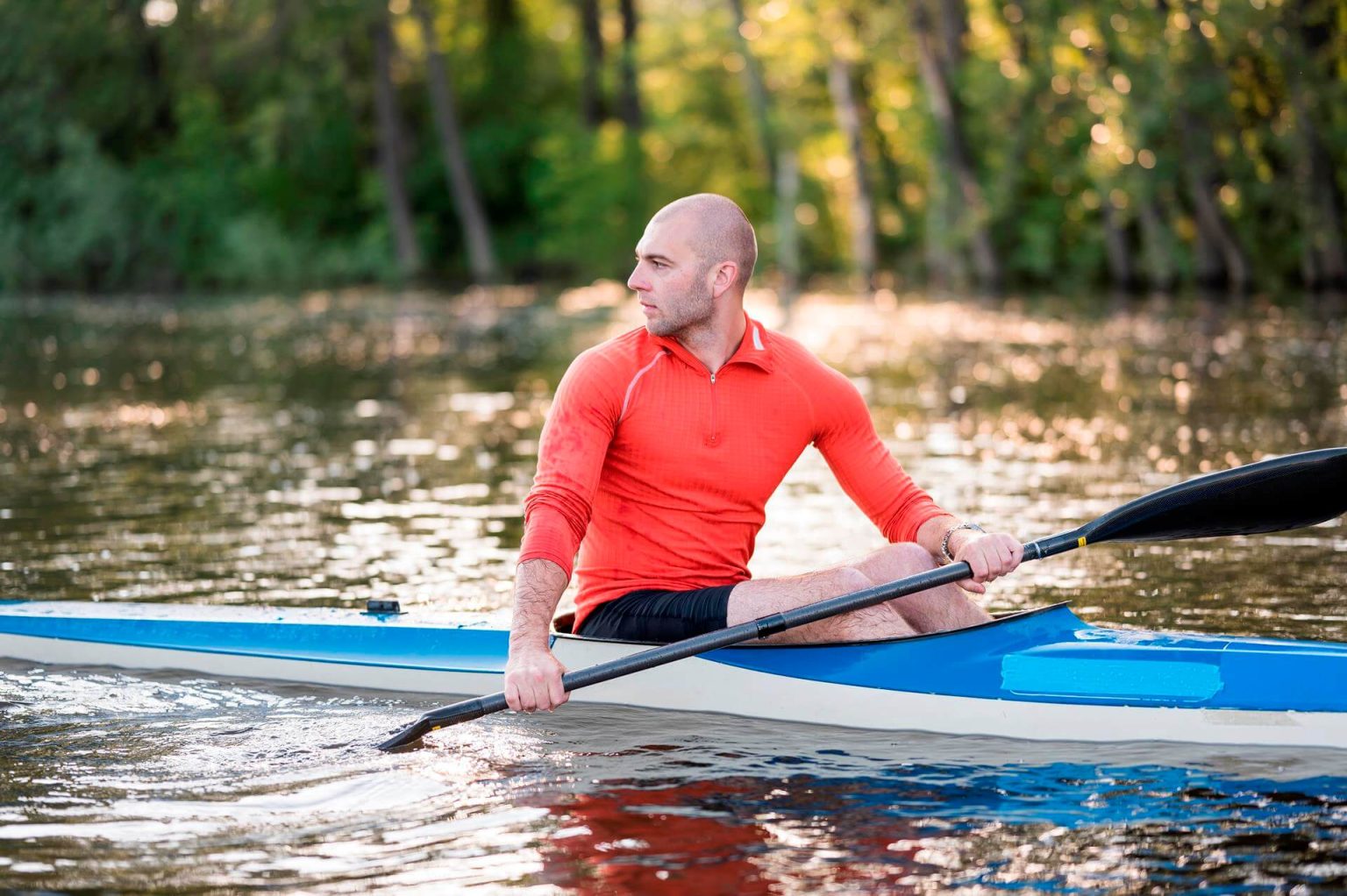
Two primary categories dominate the market: sit-on-top and sit-inside kayaks. Sit-on-top kayaks are ideal for warm weather and calm waters. They are easy to get in and out of, making them a great choice for beginners. Sit-inside kayaks offer more protection from the elements and are generally faster and more efficient, but require a bit more skill to manage.
- Sit-on-Top Kayaks: Stable, easy to re-enter if you capsize, suitable for recreational paddling and fishing.
- Sit-Inside Kayaks: More efficient for longer distances, better protection from wind and waves, require a spray skirt to keep water out.
Inflatable vs. Hard-Shell Kayaks
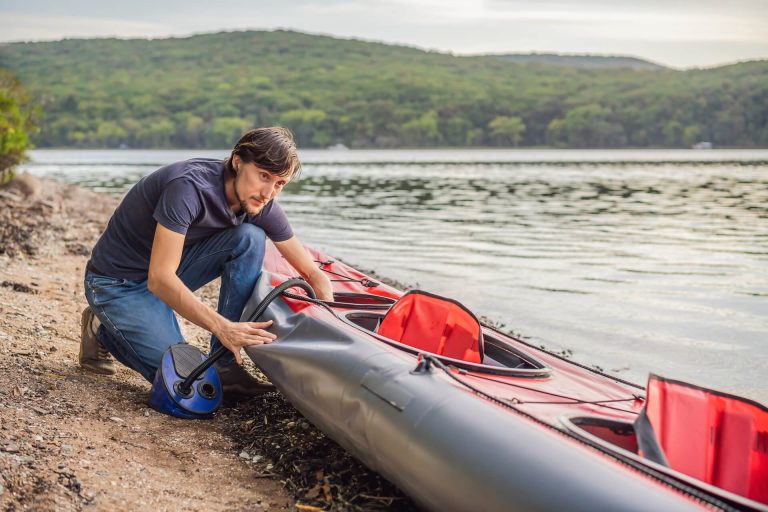
Another key consideration is whether to opt for an inflatable or a hard-shell kayak. Inflatable kayaks are portable and easy to store, making them great for those with limited space. Hard-shell kayaks offer superior performance and durability but require more storage and transport.
Key Factors to Consider When Buying a Kayak
Once you understand the basic types, it’s time to delve into the specific factors that will influence your kayak selection.
Kayak Length and Width
The length and width of a kayak affect its stability, speed, and maneuverability. Longer kayaks are generally faster and track straighter, while shorter, wider kayaks are more stable and easier to turn.
For beginners, a wider kayak is often recommended for increased stability. As you gain experience, you can explore longer, narrower kayaks for improved performance.
Kayak Material and Construction
Kayak materials range from polyethylene plastic to composite materials like fiberglass and carbon fiber. Polyethylene kayaks are durable and affordable, making them a popular choice for beginners. Composite kayaks are lighter and stiffer, offering better performance but at a higher price point.
Weight Capacity and Cockpit Size
Ensure the kayak’s weight capacity can comfortably accommodate your weight and any gear you plan to carry. The cockpit size should also be comfortable, allowing you to enter and exit the kayak easily.
Essential Kayaking Techniques for Beginners
Once you have your kayak, it’s time to learn the fundamental kayaking techniques that will allow you to paddle efficiently and safely.
Basic Paddle Strokes
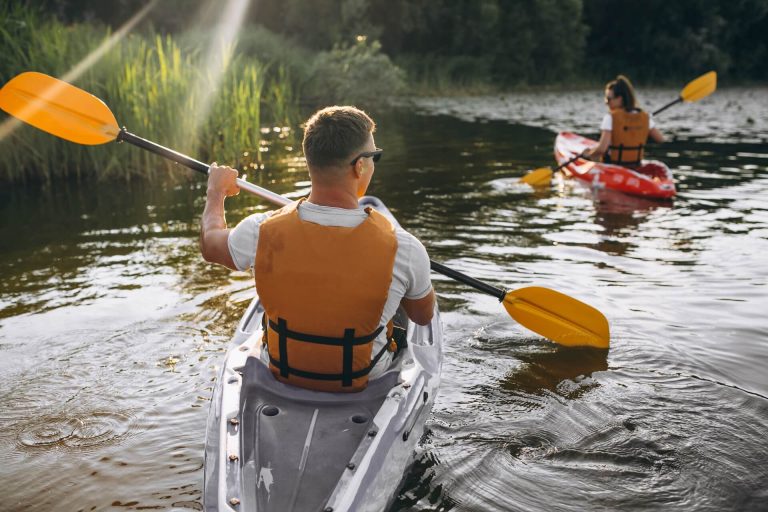
Mastering the forward stroke, reverse stroke, and sweep stroke is essential for controlling your kayak’s direction and speed. Practice these strokes in calm water until you feel comfortable and confident.
Entering and Exiting Your Kayak
Learn how to safely enter and exit your kayak from both the shore and the water. Practicing wet exits (capsizing and exiting underwater) is crucial for safety in case of an unexpected mishap.
Safety Considerations and Gear
Always wear a properly fitted personal flotation device (PFD) when kayaking. Carry essential safety gear, including a whistle, a bilge pump or sponge, and a navigation device (map and compass or GPS). Be aware of weather conditions and water hazards before you launch.
Maintaining Your Kayak for Longevity
Proper maintenance is essential for extending the life of your kayak and ensuring its optimal performance.
Cleaning and Storage
Rinse your kayak with fresh water after each use to remove salt, sand, and debris. Store your kayak in a cool, dry place away from direct sunlight to prevent damage from UV rays.
Inspecting for Damage
Regularly inspect your kayak for cracks, dents, or other damage. Repair any damage promptly to prevent it from worsening.
Conclusion: Your Kayaking Adventure Awaits
Choosing and using a kayak may seem daunting at first, but with the right knowledge and practice, you’ll be paddling with confidence in no time. Remember to prioritize safety, choose a kayak that suits your needs and skill level, and practice your techniques regularly. So, grab your paddle, find your stream, and start exploring the wonderful world of kayaking!
Share your kayaking experiences and tips in the comments below!