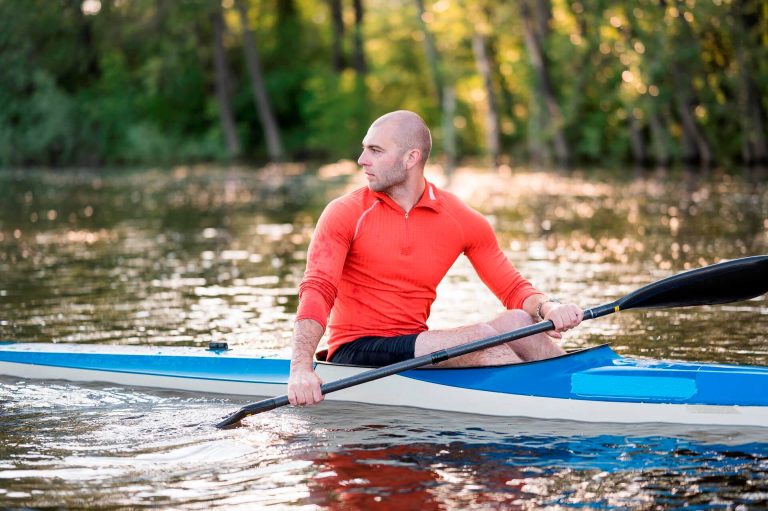
Kayaking Made Easy: Tips for Selecting and Enjoying Your Lightweight Kayak
Ready to glide effortlessly across the water? Lightweight kayaks offer an amazing entry point into the world of kayaking, providing portability and ease of use. But with so many options available, choosing the right one and learning basic techniques can feel overwhelming. This guide will provide you with the essential tips to select the perfect lightweight kayak and master easy kayaking techniques, even as a beginner, ensuring a safe and enjoyable experience on the water.
Understanding Lightweight Kayaks: Benefits and Types
Lightweight kayaks have revolutionized kayaking by making it accessible to a wider range of people. Their primary advantage is obvious: they are significantly easier to carry and transport compared to traditional, heavier kayaks. This is especially beneficial for individuals who paddle solo, have limited storage space, or have difficulty lifting heavy objects. But the benefits don’t stop there.
- Portability: Easily transport your kayak in a car, RV, or even on public transportation.
- Storage: Requires less storage space than heavier kayaks.
- Ease of Use: Lighter weight makes paddling and maneuvering easier, especially for beginners.
- Cost-Effective: Often more affordable than heavier, high-performance kayaks.
Several types of lightweight kayaks are available, each with its own advantages. Knowing the differences will help you choose the best one for your needs.
Types of Lightweight Kayaks:
Here’s a breakdown of the common types:
- Inflatable Kayaks: Extremely portable and easy to store. Ideal for recreational paddling on calm waters.
- Folding Kayaks: Offer a balance of portability and performance. Can be folded down for easy storage and transport.
- Sit-on-Top Kayaks (Lightweight Models): Provide stability and are easy to get in and out of. Great for warm-weather paddling.
- Sit-Inside Kayaks (Lightweight Models): Offer better protection from the elements and are more efficient for longer distances.
Key Factors to Consider When Selecting a Lightweight Kayak
Choosing the right lightweight kayak involves considering several important factors. Your intended use, skill level, and budget will all play a role in your decision.
1. Intended Use: Where Will You Be Paddling?
Are you planning to paddle on calm lakes, slow-moving rivers, or the open ocean? Inflatable kayaks are generally best suited for calm waters, while sit-on-top and sit-inside kayaks can handle a wider range of conditions. Consider the types of water you’ll be paddling in most often and choose a kayak that’s designed for those conditions.
2. Skill Level: Beginner, Intermediate, or Advanced?
Beginners often benefit from kayaks that are stable and easy to maneuver. Sit-on-top kayaks are generally more stable than sit-inside kayaks, making them a good choice for beginners. Inflatable kayaks are also a good option for beginners, as they are typically very stable and forgiving. As you gain experience, you may want to consider a more performance-oriented kayak that allows for faster paddling and better tracking.
3. Weight Capacity: Can the Kayak Handle Your Load?
Every kayak has a maximum weight capacity. Be sure to choose a kayak that can comfortably handle your weight, plus the weight of any gear you plan to bring along, such as a paddle, life jacket, and dry bag. Exceeding the weight capacity can compromise the kayak’s stability and performance, making it less safe to paddle.
4. Material: Durability and Weight
Lightweight kayaks are typically made from materials like PVC (for inflatable kayaks), polyethylene, or composite materials like fiberglass or carbon fiber. PVC is lightweight and affordable, but it’s not as durable as polyethylene or composite materials. Polyethylene is a good balance of durability and weight, while composite materials are the lightest and strongest, but also the most expensive. Consider your budget and the types of conditions you’ll be paddling in when choosing a material.
5. Budget: How Much Are You Willing to Spend?
Lightweight kayaks range in price from a few hundred dollars to several thousand dollars. Inflatable kayaks are generally the most affordable, while composite kayaks are the most expensive. Set a budget before you start shopping and stick to it. Remember to factor in the cost of essential accessories like a paddle, life jacket, and dry bag.
Essential Kayaking Techniques for Beginners
Once you’ve chosen your lightweight kayak, it’s time to learn the basics of kayaking. Mastering these techniques will make your paddling experience more enjoyable and safer.
1. Getting In and Out of Your Kayak
The easiest way to get in and out of a kayak is from a dock or a shallow, sandy beach. If you’re getting in from a dock, hold onto the dock with one hand and lower yourself into the kayak. If you’re getting in from a beach, straddle the kayak and then sit down in the seat. To get out, reverse the process. Always maintain three points of contact for stability.
2. Holding Your Paddle Correctly
Hold your paddle with your hands shoulder-width apart. The paddle blades should be angled slightly forward. Keep your wrists relaxed and your elbows bent at a 90-degree angle.
3. Basic Paddling Strokes
The forward stroke is the most basic paddling stroke. To perform the forward stroke, reach forward with one blade of the paddle and plant it in the water near your toes. Pull the blade back through the water, keeping it close to the side of the kayak. Remove the blade from the water and repeat on the other side. The reverse stroke is used to slow down or stop the kayak. To perform the reverse stroke, reach backward with one blade of the paddle and plant it in the water near your hips. Push the blade forward through the water. The sweep stroke is used to turn the kayak. To perform the sweep stroke, reach forward with one blade of the paddle and sweep it wide across the water, away from the side of the kayak.
4. Staying Safe on the Water
Always wear a life jacket (PFD) when kayaking. Check the weather forecast before you go and avoid paddling in strong winds or storms. Let someone know where you’re going and when you expect to be back. Bring plenty of water and snacks. Avoid paddling alone, especially if you’re a beginner.
Maintaining Your Lightweight Kayak
Proper maintenance will extend the life of your lightweight kayak and keep it performing at its best.
- Rinse Your Kayak After Each Use: Saltwater, sand, and debris can damage your kayak over time. Rinse it thoroughly with fresh water after each use.
- Store Your Kayak Properly: Store your kayak in a cool, dry place away from direct sunlight. If you’re storing it outdoors, cover it with a tarp.
- Inspect Your Kayak Regularly: Check for any signs of damage, such as cracks, leaks, or tears. Repair any damage promptly.
- Use UV Protectant: Applying a UV protectant to your kayak can help prevent fading and cracking from sun exposure.
Lightweight kayaks provide a fantastic opportunity to explore the water with ease and convenience. By carefully considering your needs and following these tips, you can select the perfect kayak and enjoy countless hours of paddling fun. Get out there and discover the joys of kayaking!
Share your kayaking adventures and tips in the comments below!