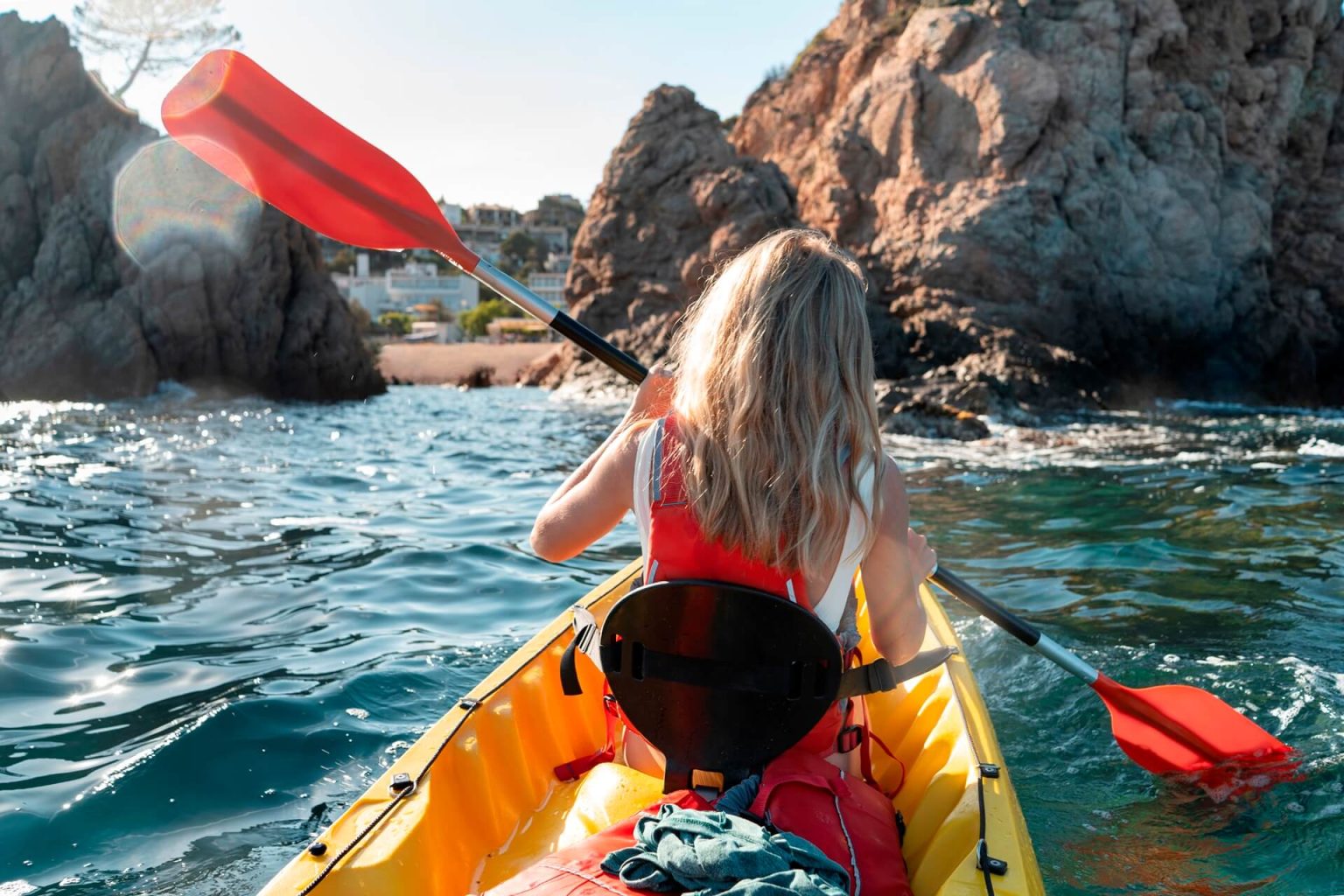
Get Started with Kayaking: Choosing and Using Your Kayak Like a Pro
Ready to dive into the world of kayaking? Our comprehensive guide covers everything from kayak selection to essential handling techniques, ensuring your first paddling experiences are safe, enjoyable, and truly unforgettable.
Understanding Kayak Selection for Beginners
Choosing the right kayak is the first and most crucial step for any beginner. The ideal kayak depends on your intended use, skill level, and body type. Here’s a breakdown to help you navigate the options:
Types of Kayaks: Recreational vs. Touring vs. Sit-on-Top
Different types of kayaks cater to different needs:
- Recreational Kayaks: Stable and easy to maneuver, perfect for calm lakes, slow-moving rivers, and short trips.
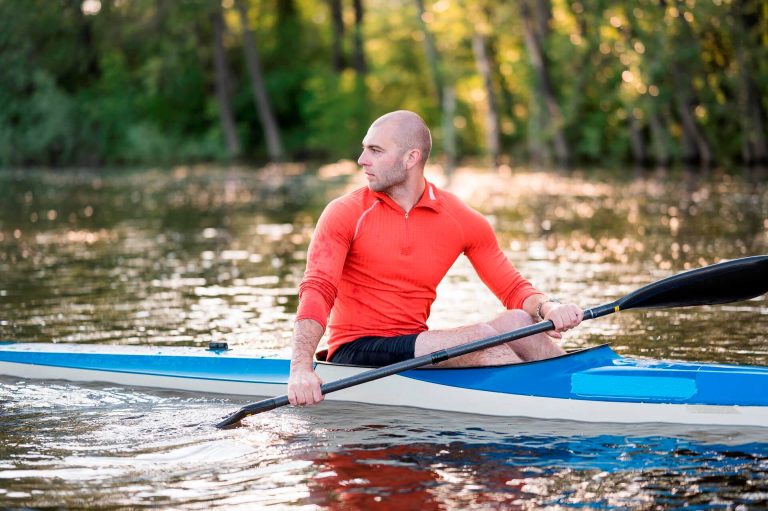
- Touring Kayaks: Longer and narrower, designed for speed and efficiency on longer expeditions.
- Sit-on-Top Kayaks: Easy to get in and out of, great for warm weather paddling and fishing.
Key Features to Consider: Length, Width, and Material
Pay attention to these characteristics when comparing kayaks:
- Length: Longer kayaks track straighter and are faster, while shorter kayaks are more maneuverable.
- Width: Wider kayaks offer more stability, while narrower kayaks are faster.
- Material: Plastic kayaks are durable and affordable, while composite kayaks are lighter and perform better.
Essential Kayak Handling Techniques for Beginners
Once you’ve chosen your kayak, mastering basic handling techniques is essential for a safe and enjoyable experience. Here’s what you need to know:
Getting In and Out of Your Kayak Safely
Entering and exiting your kayak gracefully takes practice. Use these tips:
- On Land: Place your kayak on a stable surface, secure it, and sit down before pushing off.
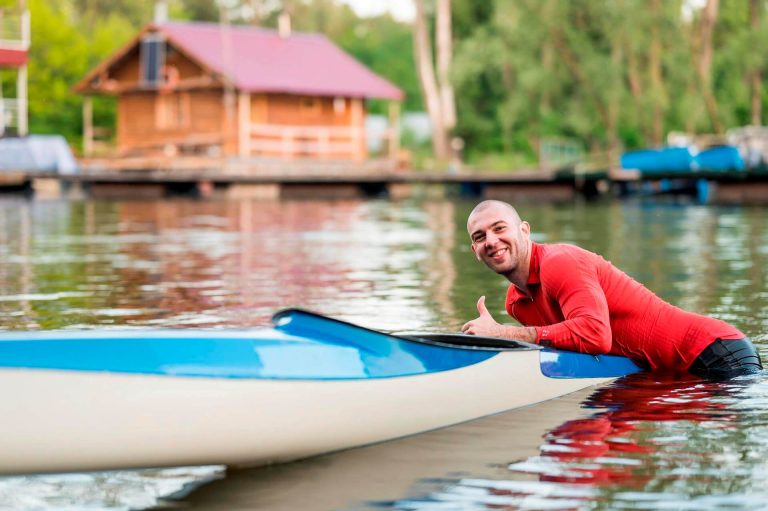
- In the Water: Use a dock or shallow water to stabilize the kayak, and lower yourself in carefully.
Paddling Techniques: Forward Stroke, Reverse Stroke, and Turning
Learn these basic strokes to navigate efficiently:
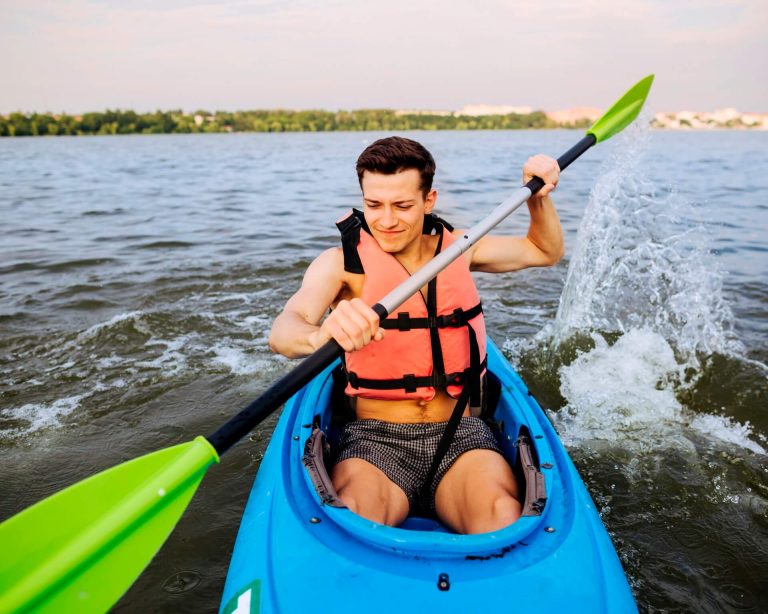
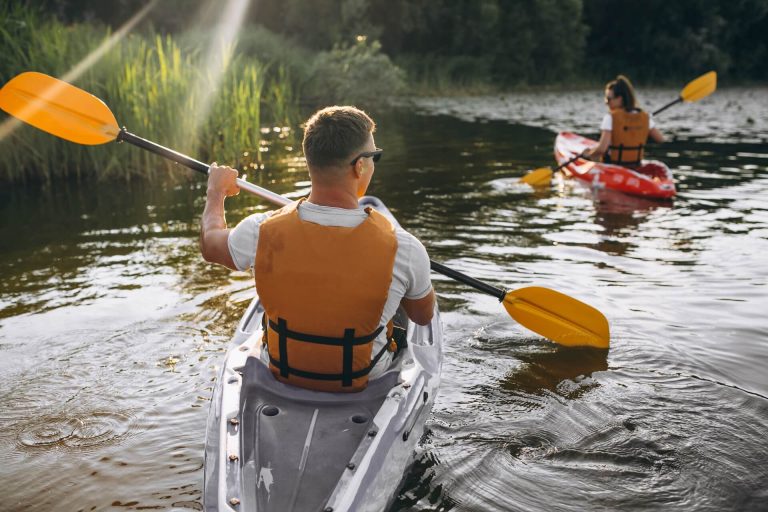
- Forward Stroke: Reach forward with your paddle, plant it in the water near your toes, and pull it back along the side of the kayak.
- Reverse Stroke: Plant your paddle near your hip and push it forward towards the front of the kayak.
- Turning: Use sweep strokes to turn the kayak. A forward sweep stroke turns the kayak away from the paddle, while a reverse sweep stroke turns it towards the paddle.
Maintaining Balance and Stability
Staying upright is key to a fun kayaking experience. Here’s how to maintain balance:
- Engage Your Core: Use your core muscles to stabilize your body.
- Keep Your Center of Gravity Low: Avoid sudden movements and keep your weight centered.
- Bracing: Use your paddle to brace against the water if you feel like you’re tipping over.
Kayak Safety Tips for Beginner Kayakers
Safety should always be your top priority. Follow these guidelines for a safe kayaking experience:
Essential Safety Gear: PFD, Whistle, and Proper Clothing
Always have these items with you:
- PFD (Personal Flotation Device): Wear a properly fitted PFD at all times.
- Whistle: Use a whistle to signal for help in case of an emergency.
- Proper Clothing: Dress appropriately for the weather conditions. Avoid cotton, which can make you cold when wet.
Understanding Weather Conditions and Water Hazards
Be aware of your surroundings:
- Check the Weather Forecast: Before heading out, check the weather forecast and be prepared for changing conditions.
- Be Aware of Currents and Tides: Understand the currents and tides in your paddling area.
- Avoid Hazardous Areas: Stay away from strong currents, rapids, and obstacles.
Planning Your Trip and Letting Someone Know Your Plans
Always inform someone of your route and expected return time:
- Plan Your Route: Map out your route and be aware of potential hazards.
- Tell Someone Your Plans: Let a friend or family member know your route and expected return time.
Conclusion: Enjoying Your Kayaking Adventure
Kayaking is a fantastic way to explore the outdoors and get some exercise. By following these tips on kayak selection, handling techniques, and safety precautions, you can ensure your first paddling experiences are safe, enjoyable, and truly unforgettable. So, grab your paddle, hit the water, and start your kayaking adventure today!