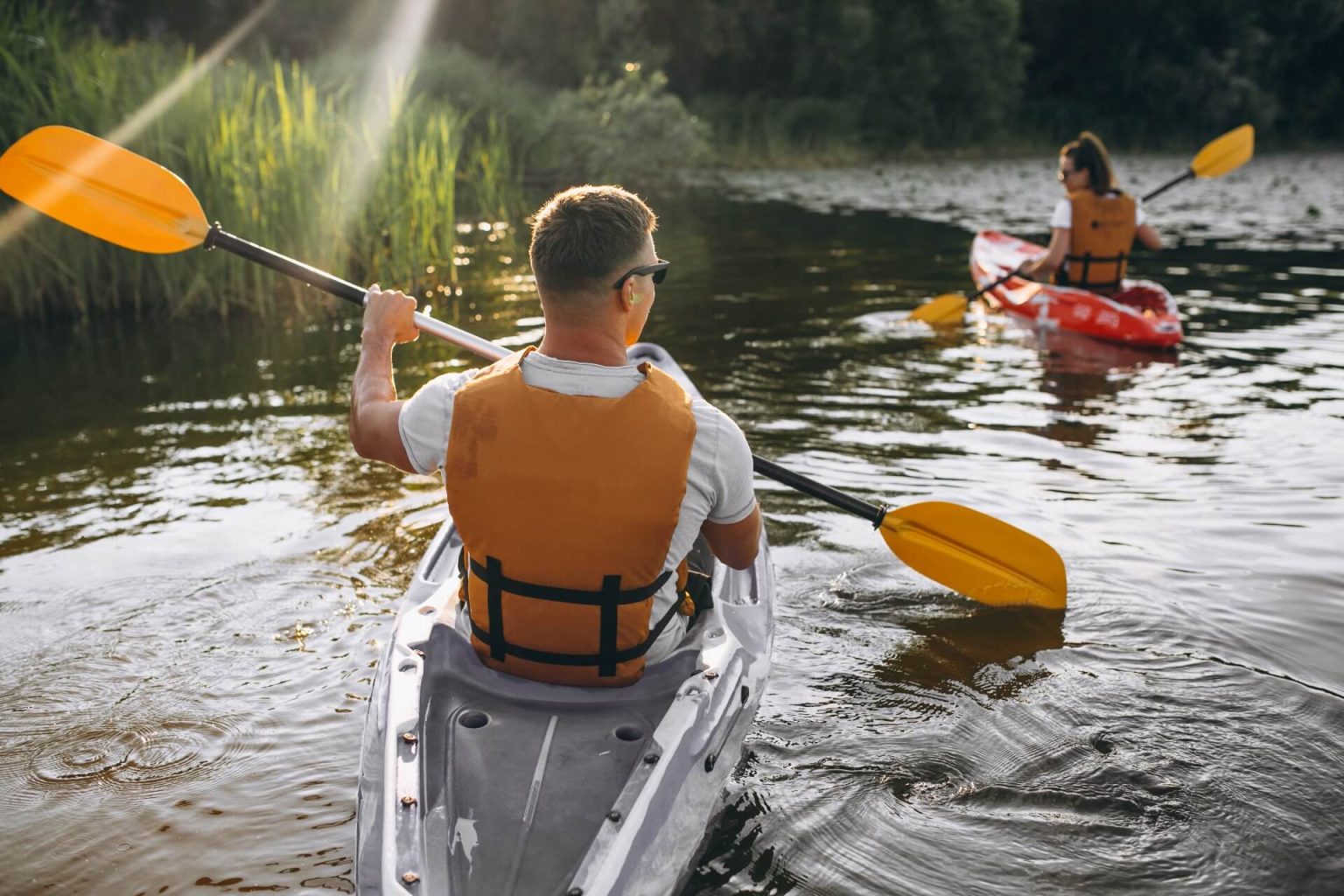
Beyond the Basics: Advanced Kayaking Tips for Choosing and Using Your Kayak
Ready to elevate your kayaking game? This guide dives deep into advanced kayaking techniques, expert kayak outfitting tips, and essential safety skills, empowering you to navigate challenging waters with confidence and skill. Whether you’re aiming to conquer whitewater rapids or embark on extended sea kayaking expeditions, mastering these advanced techniques will significantly enhance your paddling experience.
Advanced Kayaking Techniques to Master
Becoming a proficient kayaker goes beyond basic paddling. These advanced techniques will help you navigate various water conditions and improve your overall control:
- Eskimo Roll: A self-rescue technique crucial for whitewater and sea kayaking. Mastering the Eskimo roll allows you to right your kayak after a capsize without exiting the boat, saving valuable time and energy in challenging conditions.
- Bracing Strokes: These are defensive strokes used to prevent capsizing. Learn high and low braces to maintain stability in turbulent water or when encountering unexpected waves.
- Eddy Turns: Essential for whitewater kayaking. Eddy turns allow you to quickly enter and exit eddies (areas of calm water behind obstacles) to rest, scout, or avoid hazards.
- Ferrying: A technique used to cross a river or stream at an angle. Efficient ferrying requires precise paddling and boat control to counteract the current.
- Bow and Stern Rudders: Advanced steering techniques using the bow or stern of the kayak to maneuver in tight spaces or strong currents.
Kayak Outfitting Tips for Enhanced Performance
Proper kayak outfitting is crucial for comfort, control, and safety. Consider these advanced outfitting tips to optimize your kayak for specific paddling conditions:
- Custom Seat Fitting: Invest in a comfortable and supportive seat that fits your body shape. Consider adding padding or shims to customize the fit and prevent pressure points.
- Thigh Braces: Essential for whitewater and sea kayaking. Thigh braces provide a secure connection between your legs and the kayak, allowing for greater control and responsiveness.
- Foot Pegs: Adjustable foot pegs are crucial for efficient paddling. Ensure they are properly positioned to allow for a comfortable and powerful leg drive.
- Deck Lines and Bungees: Use deck lines and bungees to secure essential gear, such as spare paddles, maps, and water bottles. Ensure that gear is easily accessible in case of emergency.
- Rudders and Skegs: Rudders and skegs improve tracking and stability in windy conditions or when paddling long distances. Consider adding a rudder or skeg to your kayak if you frequently paddle in these conditions.
Efficient Paddling Strokes for Kayak Speed and Endurance
Improving your paddling stroke efficiency can significantly increase your speed and endurance on the water. Focus on these advanced paddling techniques:
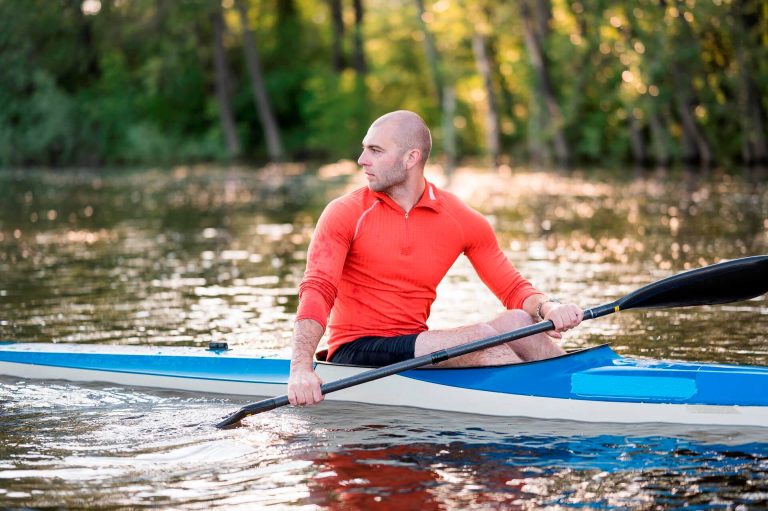
- Torso Rotation: Engage your core muscles and rotate your torso with each stroke. This will generate more power and reduce strain on your arms and shoulders.
- Paddle Feathering: Adjust the feather angle of your paddle to minimize wind resistance. A lower feather angle is typically preferred in calm conditions, while a higher angle is better for windy conditions.
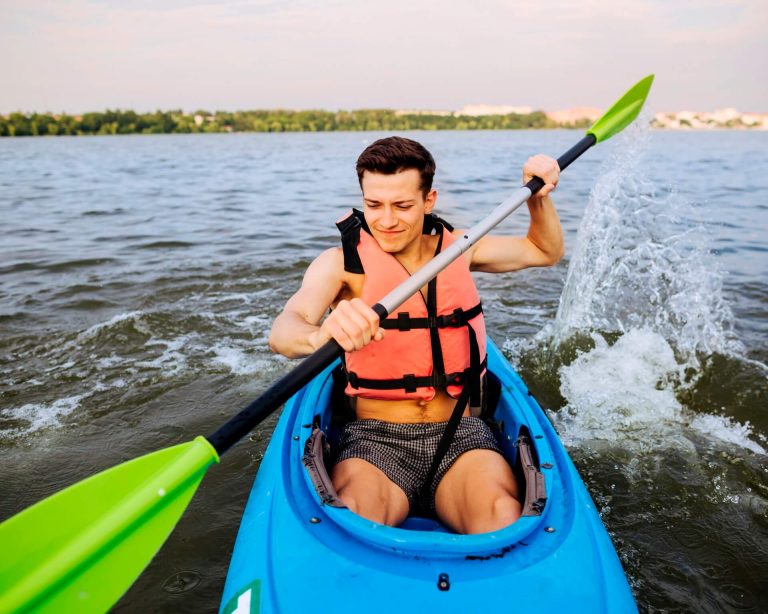
- High Angle Stroke: A powerful stroke used for acceleration and maneuvering. Keep your paddle close to the boat and plant the blade deep in the water.
- Low Angle Stroke: A more relaxed stroke used for maintaining speed and conserving energy. Keep your paddle further away from the boat and plant the blade shallower in the water.
- Consistent Cadence: Maintain a consistent paddling cadence to optimize your efficiency and reduce fatigue.
Essential Kayak Safety Skills for Challenging Waters
Safety should always be your top priority when kayaking. Mastering these essential safety skills is crucial for navigating challenging waters:
- Self-Rescue Techniques: Practice self-rescue techniques, such as the Eskimo roll and paddle float re-entry, in a controlled environment before venturing into challenging waters.
- Assisted Rescue Techniques: Learn how to assist another kayaker in distress. Practice towing techniques and learn how to perform a T-rescue.
- Navigation Skills: Develop your navigation skills, including map reading, compass use, and GPS navigation. Always carry a map and compass, even on familiar waters.
- Weather Awareness: Monitor weather forecasts and be prepared for changing conditions. Avoid kayaking in severe weather, such as thunderstorms or high winds.
- Communication: Carry a waterproof VHF radio or satellite communication device to contact help in case of emergency.
Navigating Challenging Waters: Tips for Success
Navigating challenging waters requires a combination of skill, experience, and preparation. Here are some tips for success:
- Scout Ahead: Before entering a challenging section of water, scout ahead to identify potential hazards and plan your route.
- Paddle with a Group: It’s always safer to paddle with a group, especially in challenging waters.
- Communicate with Your Group: Maintain clear communication with your group members. Use hand signals to communicate hazards and changes in direction.
- Respect the Water: Be aware of your limitations and avoid pushing yourself beyond your comfort zone.
- Practice Regularly: Practice your skills regularly to maintain your proficiency and build confidence.
Mastering these advanced kayaking techniques, outfitting tips, and safety skills will not only enhance your paddling experience but also enable you to confidently explore more challenging and rewarding waters. Remember to always prioritize safety and practice regularly to maintain your skills. Happy paddling!